
 AI Analysis
How to Read a Zexca AI Market Analysis
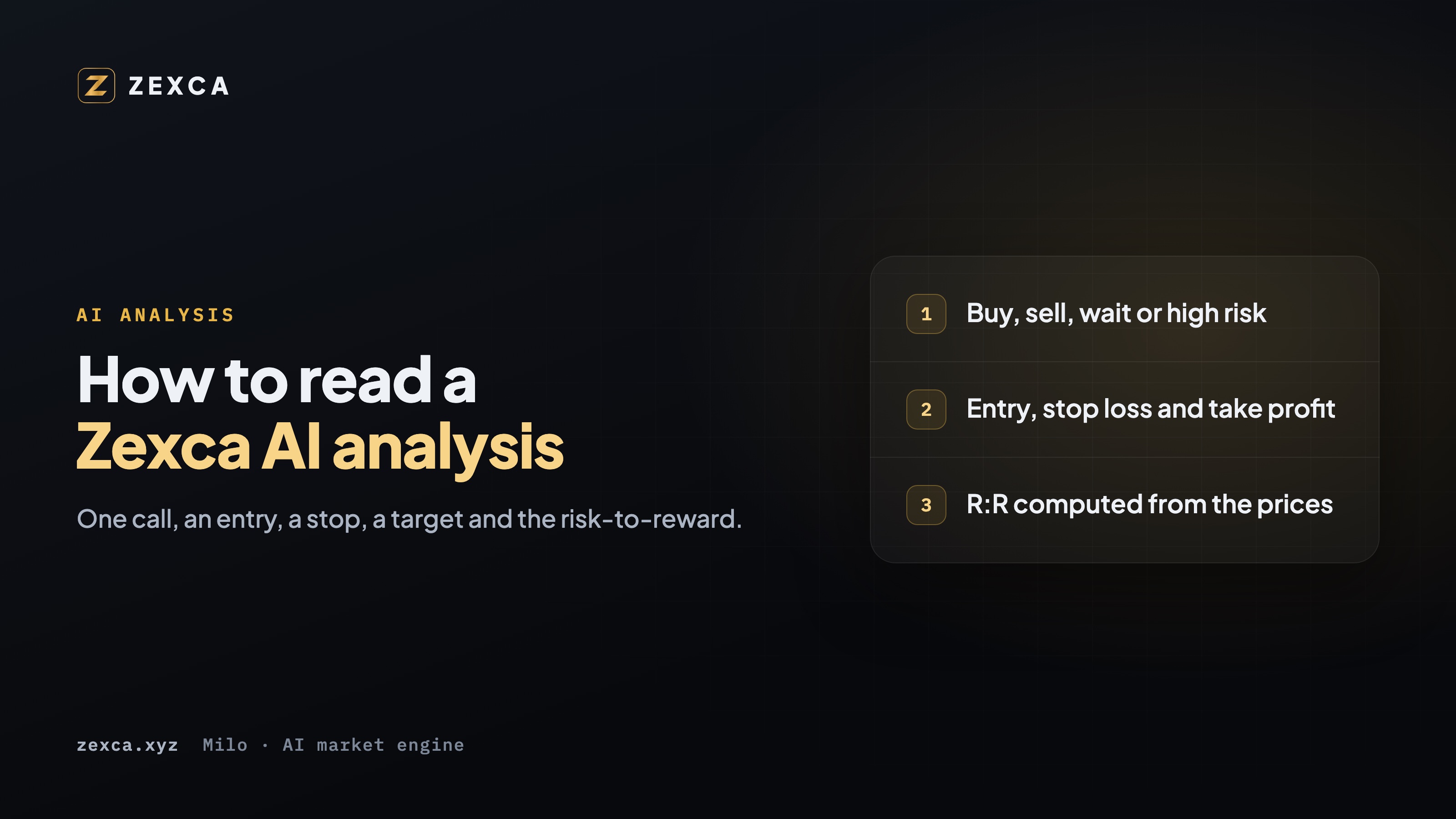
Every Zexca AI analysis ends in one call (buy, sell, wait or high risk) with an entry, a stop, a target and the risk-to-reward. What each part means, and how to use one analysis well.
Blog
Markets, method and the engine behind the platform — written plainly, with the numbers shown.
AI Analysis
Every Zexca AI analysis ends in one call (buy, sell, wait or high risk) with an entry, a stop, a target and the risk-to-reward. What each part means, and how to use one analysis well.
 Guides
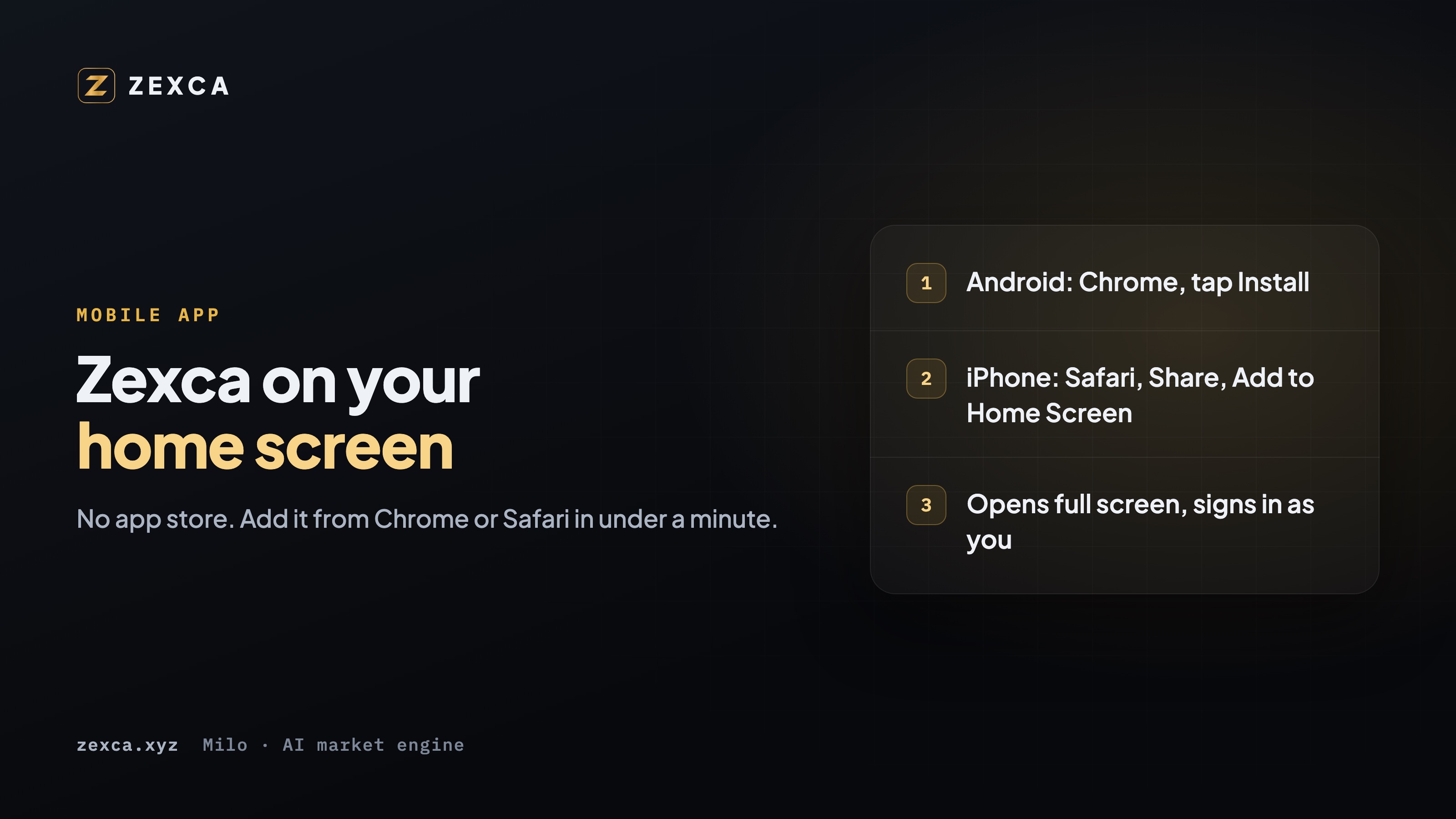
Zexca installs straight from your phone's browser in under a minute, with no app store. The exact steps for Android (Chrome) and iPhone (Safari), and what to do if the link opened inside Telegram.
 Signals
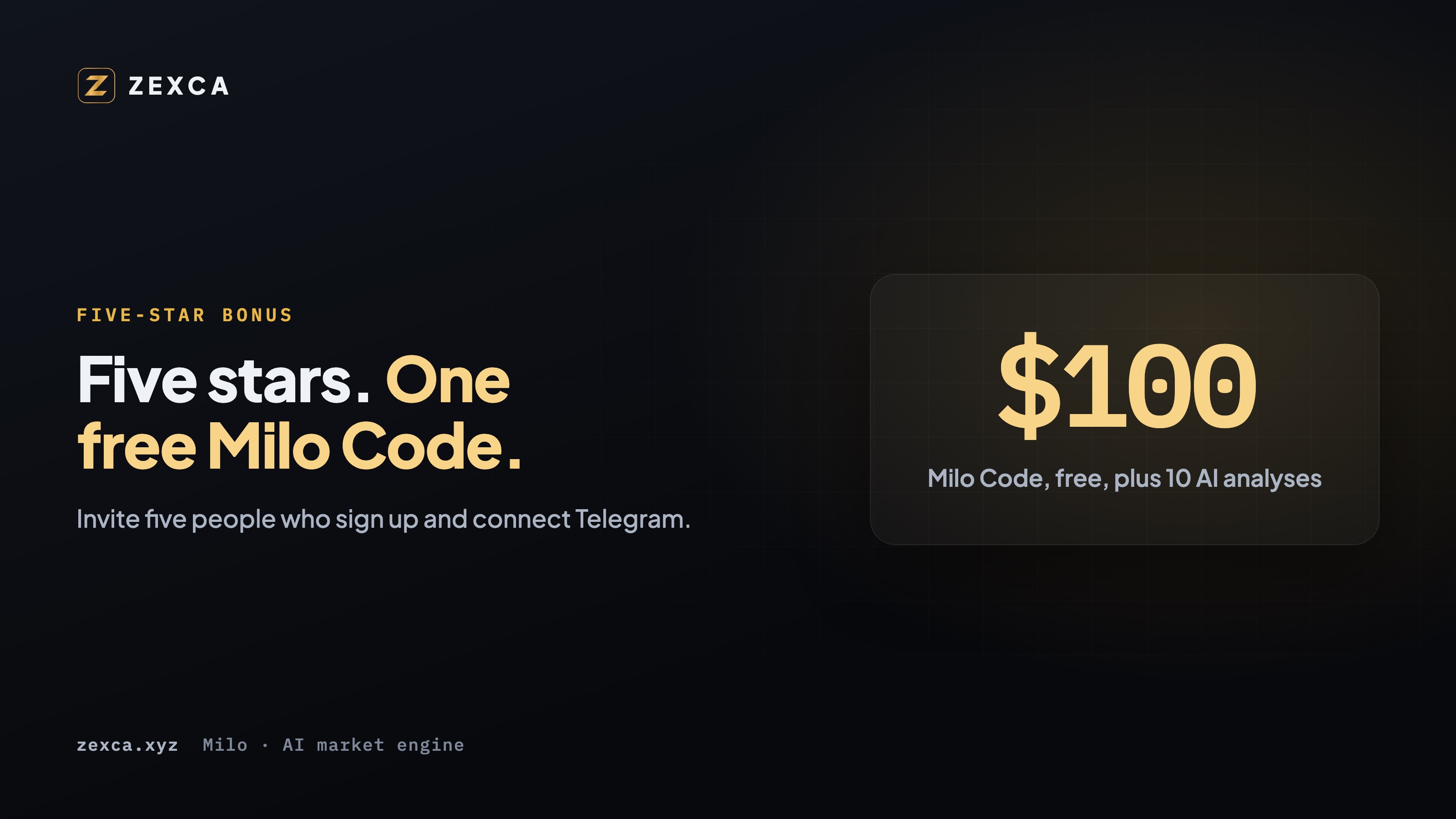
Fill the five stars on your free Zexca signal account and you get a Milo Code worth $100 and 10 free AI market analyses, once. Here is exactly how a star is earned and how to use the bonus.
 Signals
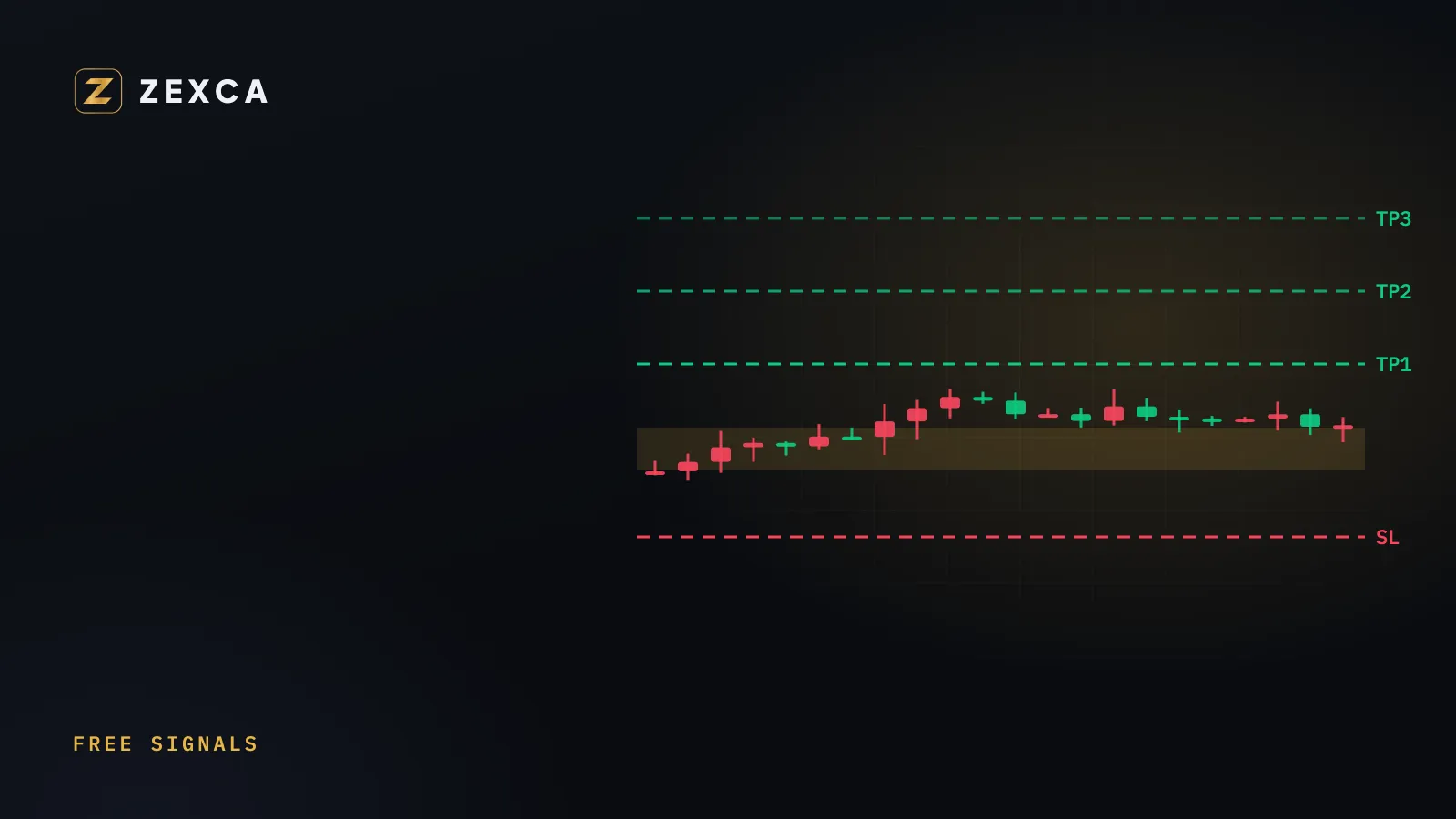
Open a free signal account, connect Telegram and the live signals open. Here is everything a signal account includes, how the five-star invite works, and what Milo AI adds.
Most altcoins move with Bitcoin and Ethereum. Learn what correlation is, how to read it, and why counting correlated positions as one trade keeps your risk honest.
When almost every large trader holds the same position, the move against them can be sharp. Learn what a short squeeze is, how funding rates reveal a crowded trade, and how to protect yourself.
Two demo desks are live on Zexca, Crypto Futures and a Forex desk built like MetaTrader 5, plus signals you can trade on demo with one tap. Why we built them, and what they are for.
How to use a demo account, trading signals and trade reviews to become a consistently profitable trader before you risk real money. A step-by-step plan with clear rules for when you are ready.
The two ways a trading account treats several trades on one symbol, with a worked example of the same orders on each, and how margin and Close By work.
The three basic order types, where each one sits against the current price, what price you actually get and when a stop order fills worse than you asked.
A pip is the standard step of a forex price. Learn how to find a pip's value for one lot, with worked examples for EURUSD and USDJPY.
A demo account is only useful if you use it properly. A five-step routine, what a demo can and cannot teach you and when to stop practising.
What margin level means, when a margin call appears and at what point a stop-out closes your trades, with one worked example you can check yourself.
Why a position held past the daily rollover is charged or credited a swap, how triple swap day works and a worked example with real arithmetic.
What Fibonacci retracement levels are, how to draw them from a swing low to a swing high, and how traders use 38.2%, 50% and 61.8% to plan entries and stops.
The simplest way to tell whether a market is going up, down or nowhere, using swing highs and lows, trend lines and one moving average.
How the Relative Strength Index works, why 70 and 30 do not mean "sell" and "buy", and three practical ways traders use RSI.
 Market analysis
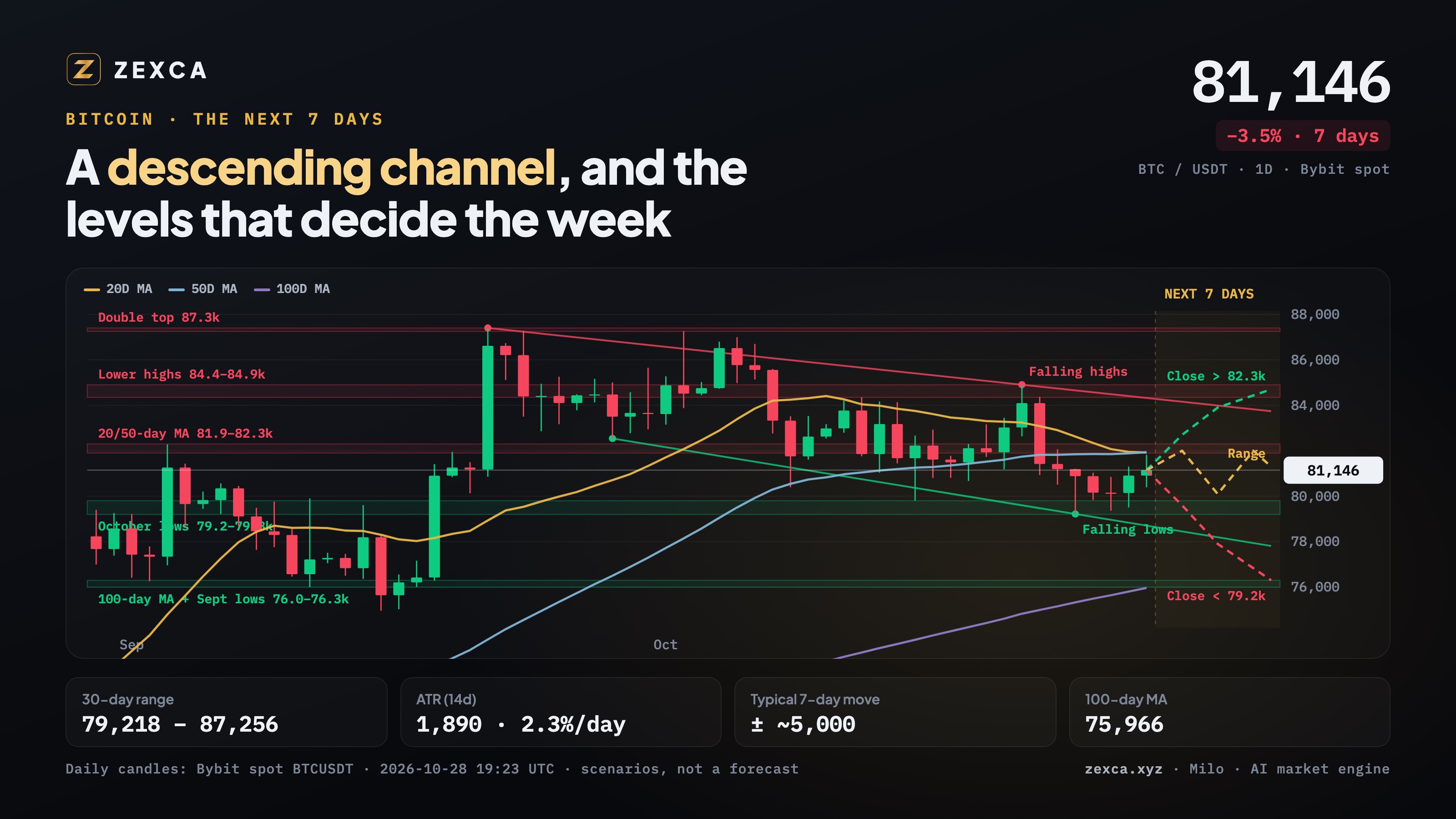
Bitcoin trades near 81,100 inside a falling channel. The resistance and support levels that matter this week, the moving averages, and three scenarios.
What each part of a candlestick means, how to read the body and the wicks, and three common candle patterns, explained for beginners with no jargon.
Every trade costs something before it makes anything. What the spread, slippage and trading fees are, when they get bigger, and simple ways to keep them small.
Why keeping a trading journal makes you a better trader, what to record for every trade, and how to review it each week so the same mistakes stop repeating.
The forex market runs around the clock on weekdays, but not at the same pace. The Sydney, Tokyo, London and New York sessions, and what they mean for gold and FX traders.
The size of a trade decides how much one loss costs. A simple method to size every position from your stop, with worked examples for forex, gold and crypto.
What support and resistance levels are, how to draw them without cluttering the chart, and how traders use them to place entries, stops and targets.
 Education
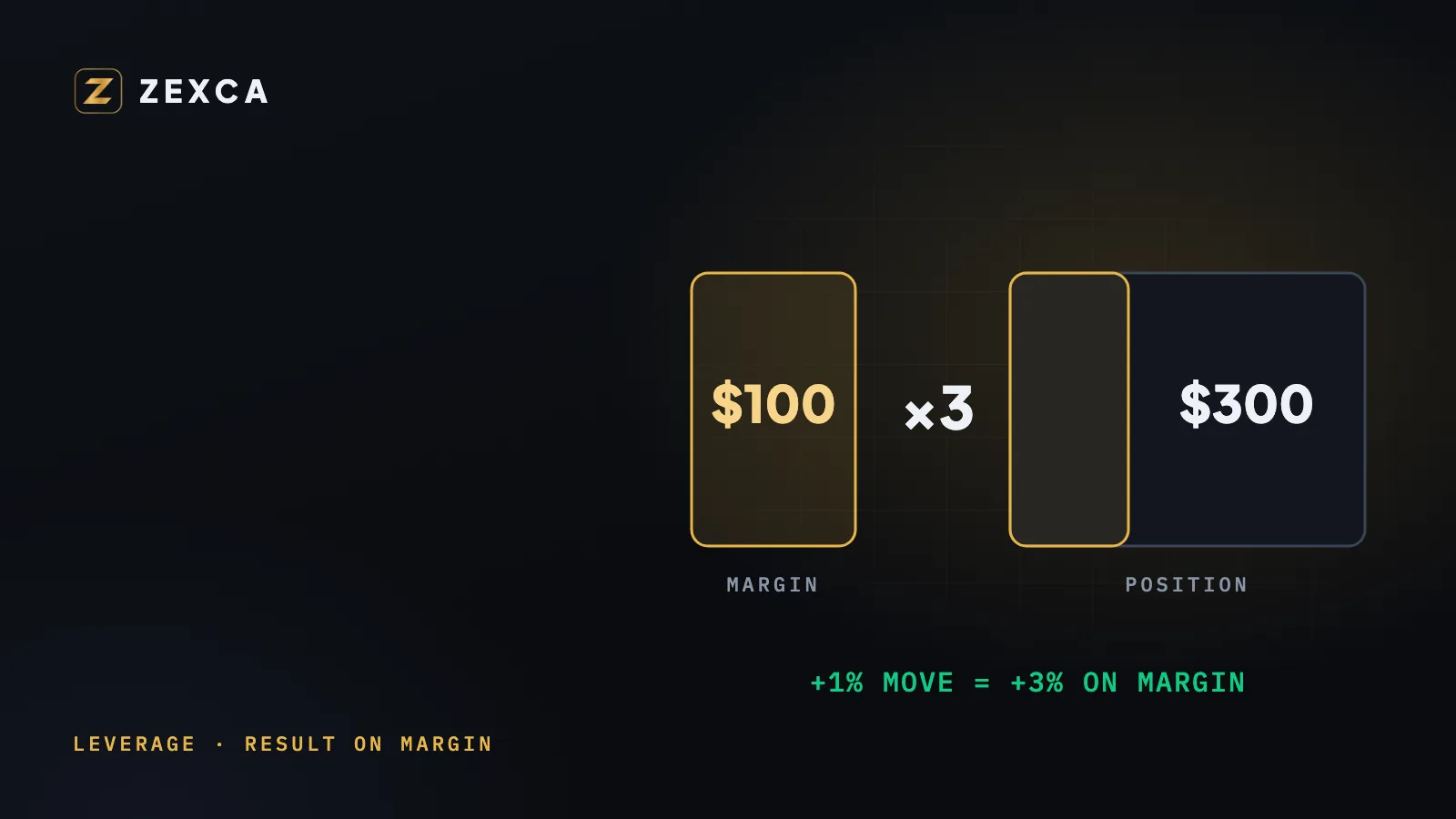
What leverage really does, how a result on margin (ROE) is calculated, and why Zexca shows every leveraged signal's result the way an exchange does.
 Education
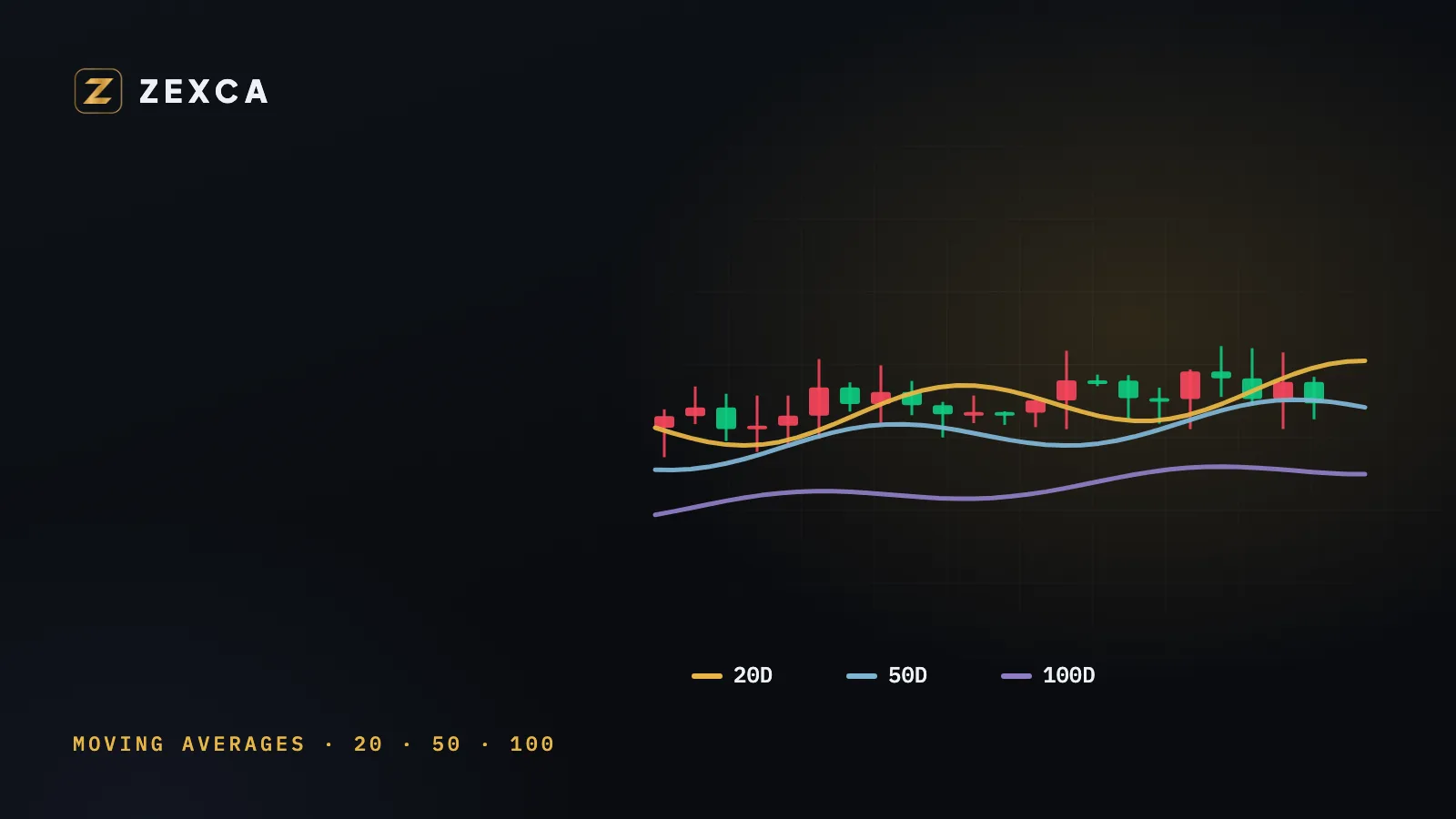
What a moving average is, how traders read the 20, 50 and 100-day lines, and what they said about Bitcoin and Ethereum on 25 October 2026.
 Education
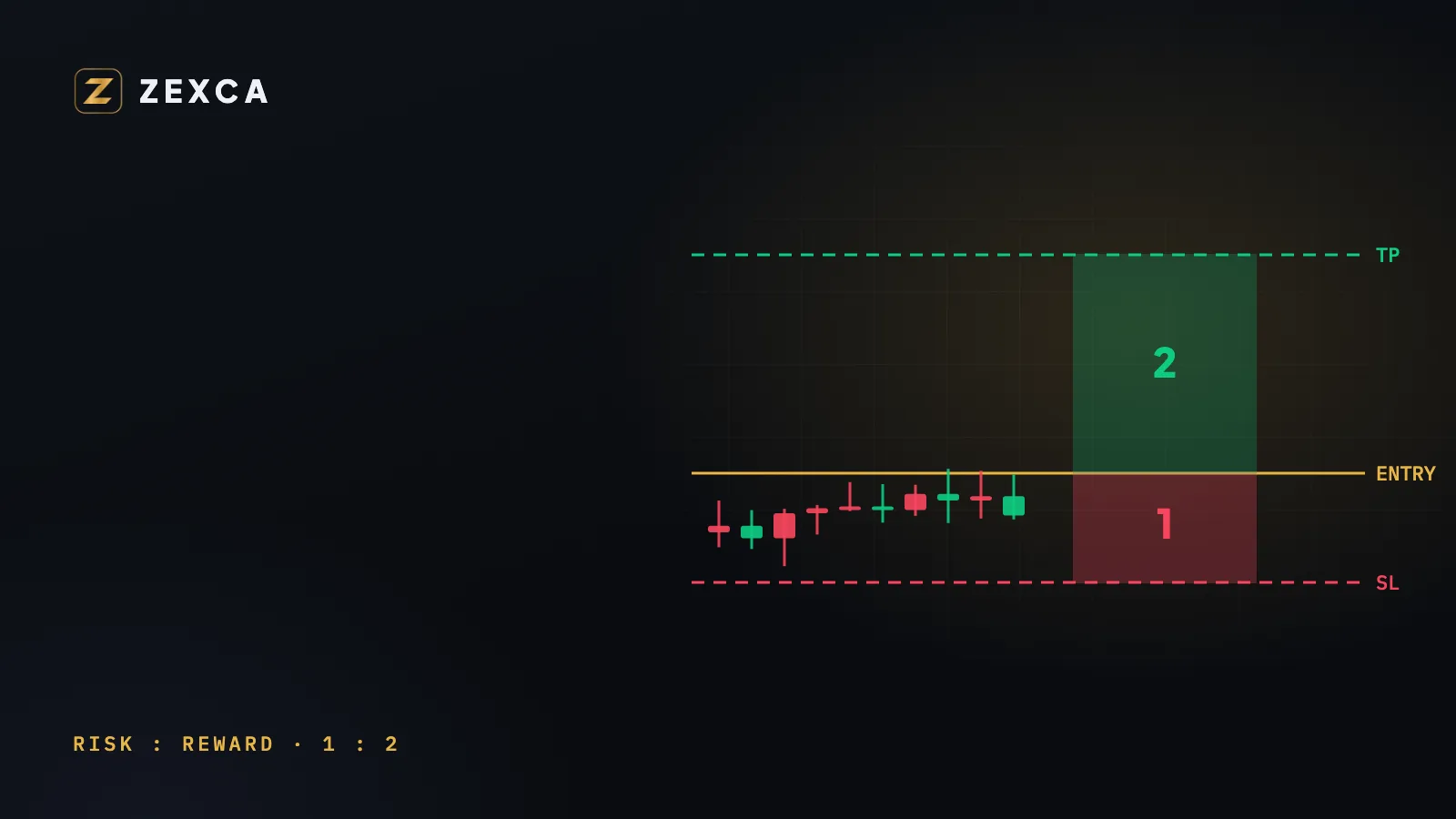
What the risk-to-reward ratio means, how to calculate it from any signal, and the win rate each ratio needs to break even, with a real Zexca example.
 Markets
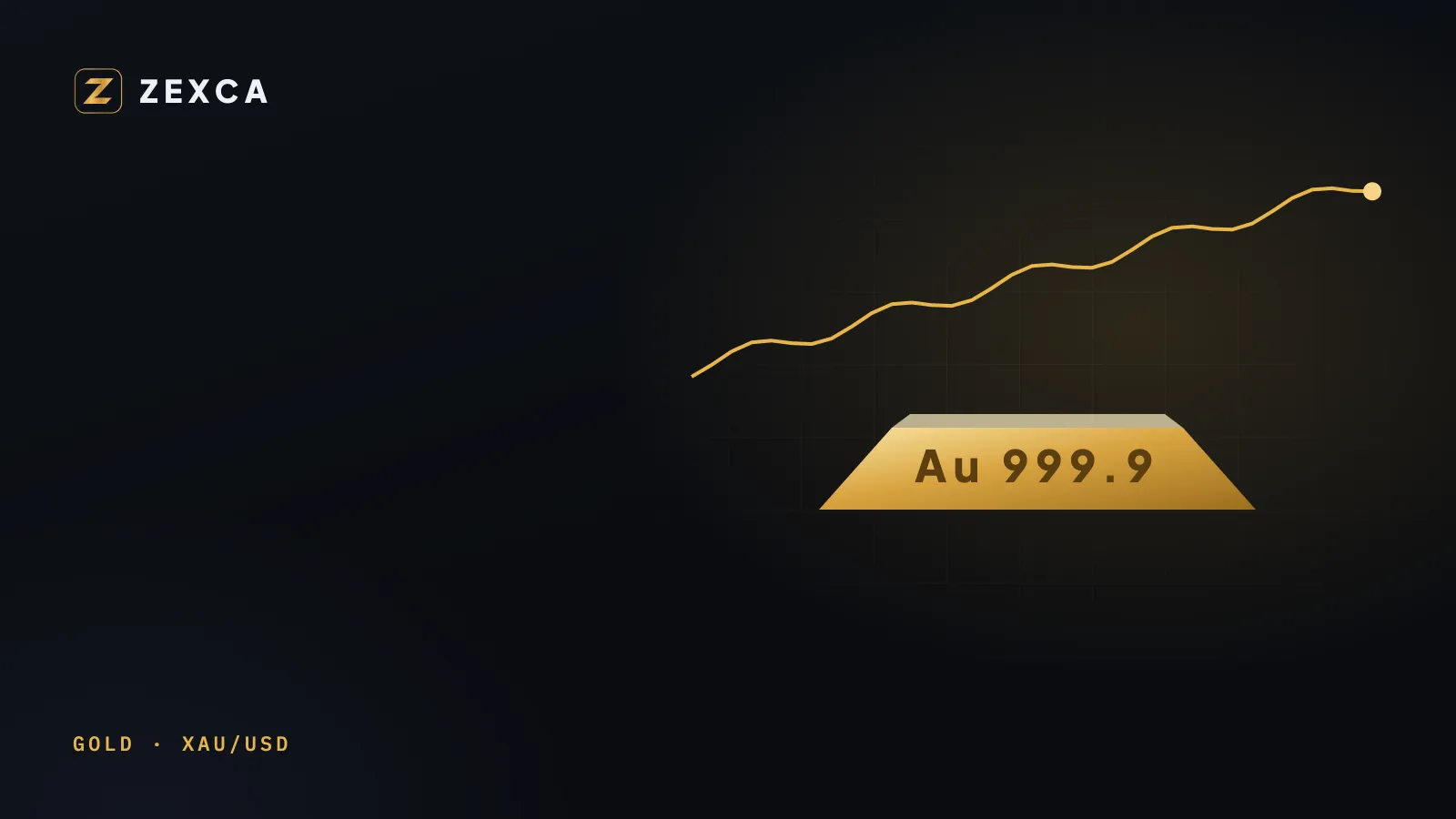
Why gold moves, when it's busiest, and how to read a gold signal on Zexca. A friendly guide to XAU/USD with live help from Milo.
 Onchain
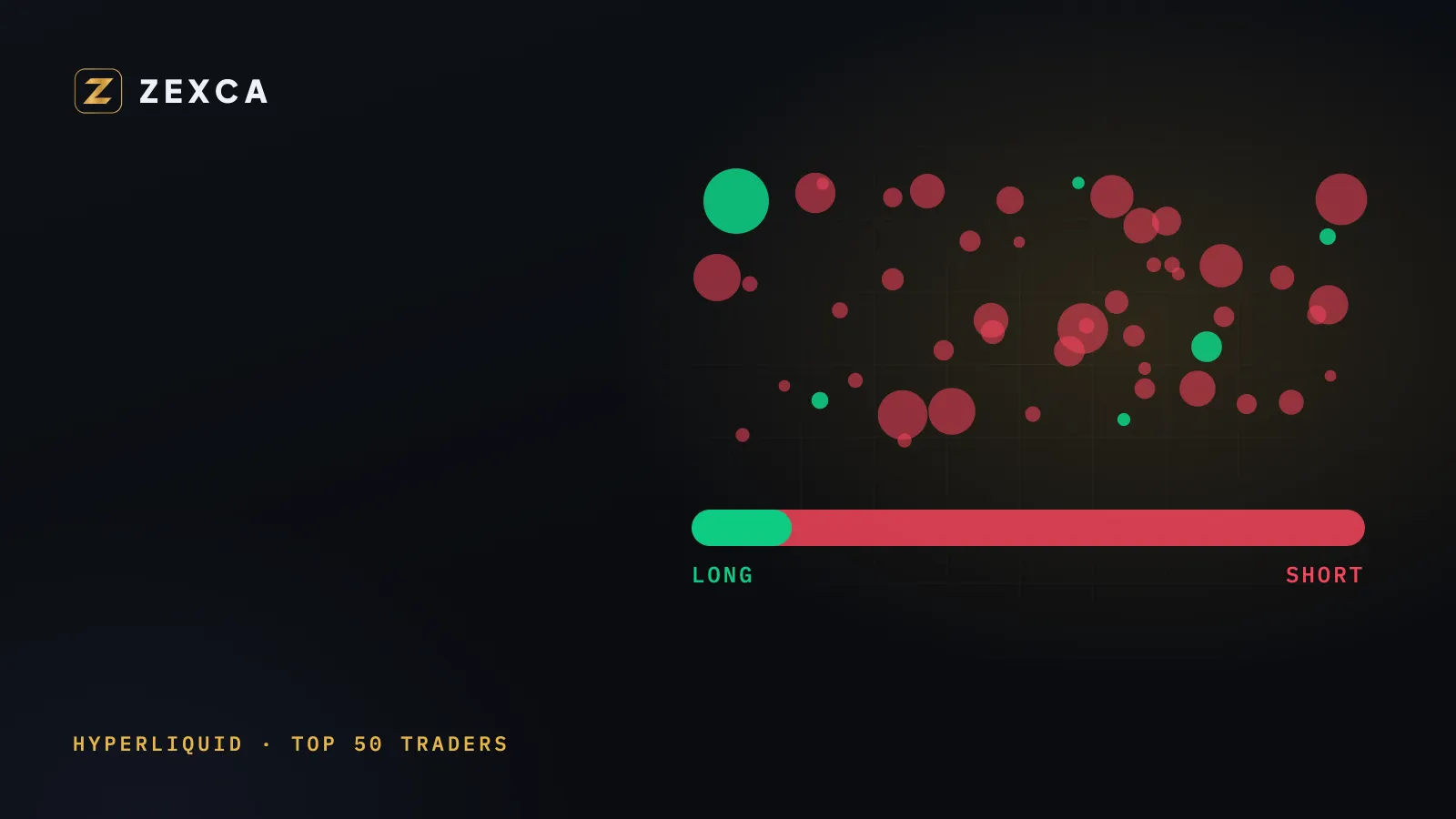
The Zexca Onchain Leaderboard follows what Hyperliquid's top 50 traders are holding right now: long or short, how big, and where their liquidations sit. Here's how to read it.
 AI
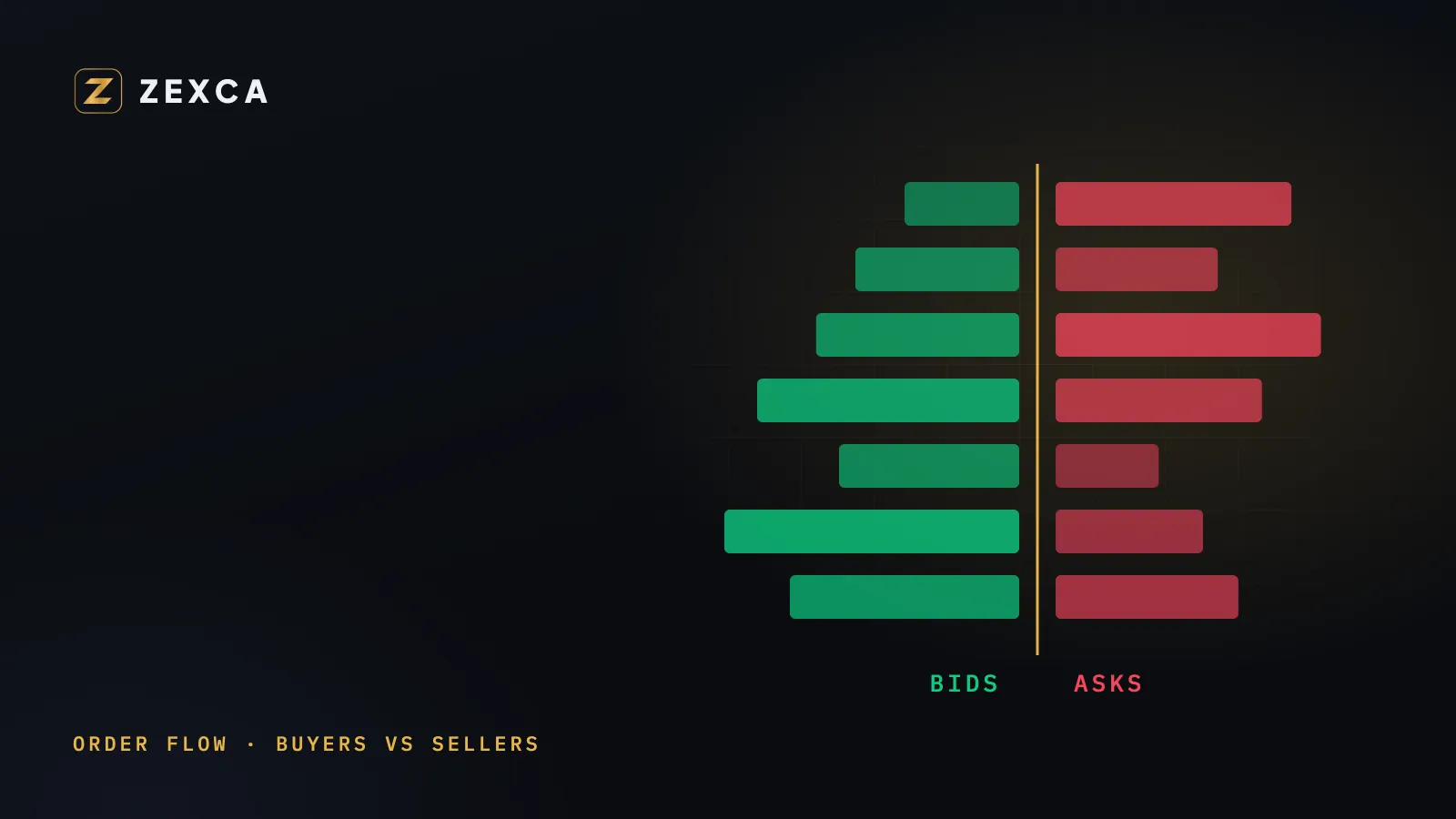
Price shows where the market went. Order flow shows who pushed it there. A plain-English guide to buyers, sellers, the order book and how Milo reads them live on Zexca.
Signals
Every Zexca signal comes with an entry zone, a stop loss and three targets, and every result stays on the record. Here is what you get, free, and how to read it.
Where the figures come from, why deposits are taken out of profit, and what a ranking of public wallets can and cannot tell you.
 Markets
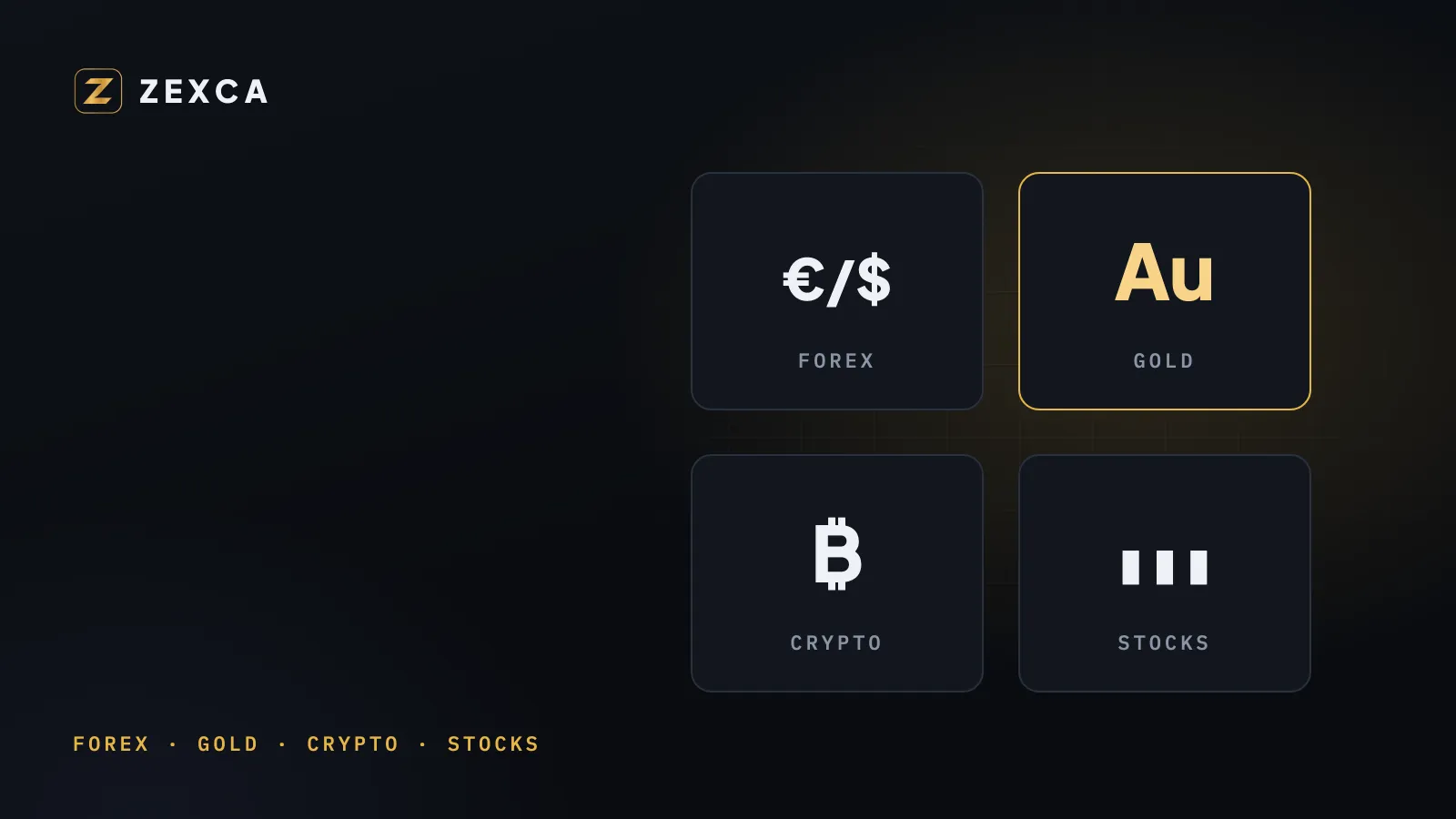
Each market has its own personality. Here's a friendly guide to forex, gold, crypto and stock indices, and how Zexca and Milo help you learn all four, live.
 Platform
Live prices, live analysis, signals that close themselves and a record that keeps every win and every loss. Why Zexca shows you everything, and how to read it.
 AI
Milo is the AI engine behind Zexca. It watches forex, gold, crypto and stocks live, explains what it sees, and analyses any chart you open. Here's how it works.
 Academy
A growing library of 50 books across five tracks, a short quiz after every chapter, and a rank that grows with you. Here's how the Zexca Academy works.
A stop-loss decides how much a trade can cost before you are out. How it works, three ways to place it, and the mistakes that make it useless.